
"Yirgacheffe vs Harar"
5000 article(s) found

Ethiopian coffee washed yejia sherbet
Ethiopia is an important coffee producer, with about 12 million people engaged in coffee production and is Africa's leading exporter of Arabica coffee beans. The quality of coffee here is excellent and worth looking for. Coffee cultivation in Ethiopia can be found in a variety of ways: from patches of wild coffee groves and semi-developed land, to small plots of traditional management, to modern plantations, where coffee is grown in a variety of ways.

Ethiopian coffee
Ethiopia is the hometown of Arabica coffee, and it is in the forests of Kaffa that you can see wild Arabica coffee. In Ethiopian, coffee is called "Bun" or "Buna". Coffee beans (coffee bean) may be translated from "Kaffa Bun". Arabica coffee was discovered early in the Harald area.

Brief introduction of Ethiopian Coffee
Ethiopia is the hometown of Arabica coffee, and it is in the forests of Kaffa that you can see wild Arabica coffee. In Ethiopian, coffee is called "Bun" or "Buna". Coffee beans (coffee bean) may be translated from "Kaffa Bun".

Flavor description of coffee beans in Yejia Snow Farm the origin of grinding scale by taste treatment
Harald is located in the Eastern Highlands of Ethiopia (Harerge Province) and grows between 5000 and 7000 feet above sea level. Most of the raw beans are of medium size and have long tips at both ends, with a yellowish or golden green color, with a strong chocolate smell during baking and a wild taste with moderate acidity and richness.
Ethiopia's highlands are the birthplace of coffee
The Ethiopian plateau is the birthplace of coffee. In the east, near Harrar, the ancient capital, mocha beans (Harrar,Harari,Harer or Harar) are still produced by traditional drying methods at an altitude of about 2,000 meters above sea level.

What are the taste and flavor characteristics of Aharal coffee? Ethiopian coffee producing area
Professional coffee knowledge exchange more coffee bean information please follow the coffee workshop (Wechat official account cafe_style) Essex coffee sub-coffee Harald coffee taste and flavor characteristics? Description of mocha Harald Coffee in Ethiopia Coffee producing area? Coffee is already a necessary drink for many people every day. If there are pesticide residues in coffee, it will be harmful to human health if it accumulates for a long time.

The grade flavor of Ethiopian coffee
Essel coffee is processed by two processing methods: sun and water washing. The flavor of coffee processed by different processing methods is very different. Generally speaking, the alcohol thickness and soil taste of washed Sidamo, Yirgacheffe and Limmu coffee are slightly lower, and the taste of sun-processed coffee is more wild. But Ethiopian coffee may taste different from batch to batch, which requires more cup tests before it can be found.

The grade of Ethiopian coffee
The highest grades of Ethiopian washed coffee Yega Chuefei G1 G2 Sidamo (Yirgacheffe, Sidamo) are Grade 2 and Grade 3 (G2, G3), while most of the sun-processed coffee in eastern Ethiopia are Grade 4 or Grade 5 (G4, G5). In many cases, level 4 coffee is marked as level 5 in order to reduce taxes. At present, the grading is not uniform and messy, because there is also sun processing.

Ethiopian coffee taste
Ethiopian Coffee Taste concern Review (official Wechat account vdailycom) found that the natural characteristics of coffee beans in a beautiful cafe to open its own small shop include large

Introduction to the grade of Ethiopian coffee
Grade of Ethiopian coffee: Ethiopian washed coffee Yega Chuefei G1 G2 Sidamo (Yirgacheffe, Sidamo) has the highest grades 2 and 3 (G2, G3), while sun-processed coffee in eastern Ethiopia is mostly grade 4 or 5 (G4, G5). In many cases, level 4 coffee is marked as level 5 in order to reduce taxes. At present, the classification is not uniform and there are

Description of Flavor of washed Coffee beans in Yejia Coffee Cochel Manor introduction to Grinding scale of varieties
Description of the Flavor of washed Coffee beans in Yega Coffee Cochel Manor Variety Grinding scale introduces that the main producing areas of Ethiopian coffee are Harald in the east, Djimmah in the southwest and Sidamo in the south. The unique fragrance of Yirgacheffe comes from a city called Y in the northwest of Sidamo province.
The highland of Ethiopia is the birthplace of coffee.
The highlands of Ethiopia are the birthplace of coffee. The traditional drying method is still used to produce mocha-Hara beans (Harrar,Harari,Harer or Harar) at an altitude of about 2,000 meters near Harrar in the east. Hara has a medium texture with a fruit wine-like flavor, and a good Hara is as wild as the best Yemenmoka. Dried beans from other areas, such as

The highlands of Ethiopia are the birthplace of coffee.
The highlands of Ethiopia are the birthplace of coffee. The traditional drying method is still used to produce mocha-Hara beans (Harrar,Harari,Harer or Harar) at an altitude of about 2,000 meters near Harrar in the east. Hara has a medium texture with a fruit wine-like flavor, and a good Hara is as wild as the best Yemenmoka. Dried beans from other areas, such as

Taste characteristics of Yejashefi Coffee beans Story of Yega Xuefei Coffee Bean treatment
Following caf é comments (Wechat official account vdailycom) found that the Beautiful Caf é opened its own shop in the Sidamo Gedeo district of Sidamo province. Today, Ethiopia is an important coffee producer, with about 12 million people engaged in coffee production and a major exporter of Arabica coffee beans in Africa. The high-quality coffee here is of excellent quality and is worth looking for. In Ethiopia

Description of Flavor of Yejiaxuefei Coffee Manor introduction of Grinding scale in producing area
Yega Chuefei Coffee Manor Flavor description Taste Variety characteristics of production area Grinding scale introduction of Ethiopian washed Coffee Yega Chefe G1 G2 Cedamo (Yirgacheffe, Sidamo) the highest grades are Grade 2 and Grade 3 (G2, G3), and most of the sun-processed coffee in eastern Ethiopia are Grade 4 or Grade 5 (G4, G5). In many cases, level 4 coffee is marked as level 5 in order to

Description of G3 Flavor and Flavor in Sidamo introduction to Grinding scale of Coffee Bean Variety production area
Sidamo G3 Flavor description Coffee Variety Regional treatment Grinding scale while Yirgacheffe, with its unique aroma, comes from a small town called Yirga in the northwest of Sidamo province. Yirgacheffe coffee raw bean is one of the most distinctive coffee in the world. It is rare and expensive. It is produced in Xida, Ethiopia.

How many Yega Xuefei are there in the producing area? what are the characteristics of the hand flushing?
Professional coffee knowledge exchange more coffee bean information please follow the coffee workshop (Wechat official account cafe_style) Qianjie introduction-Yega Sheffield we are familiar with the Yega Sheffei Yirgacheffe, Ethiopia's big coffee producing areas also include Sidamo Sidamo and Harald Harar, as well as some small producing areas such as Lim Limmu. These are all Ethiopian products.
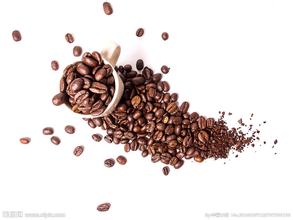
Ethiopian coffee grade washed coffee Yega Xuefei
The highest grades of Ethiopian washed coffee Yega Chuefei G1 G2 Sidamo (Yirgacheffe, Sidamo) are Grade 2 and Grade 3 (G2, G3), while most of the sun-processed coffee in eastern Ethiopia are Grade 4 or Grade 5 (G4, G5). In many cases, level 4 coffee is marked as level 5 in order to reduce taxes. At present, the grading is not uniform and messy, because there is also sun processing.

Ethiopia-Coffee Origin, producing areas, characteristics, introduction
Grade of Ethiopian coffee: Ethiopian washed coffee Yega Chuefei G1 G2 Sidamo (Yirgacheffe, Sidamo) has the highest grades 2 and 3 (G2, G3), while sun-processed coffee in eastern Ethiopia is mostly grade 4 or 5 (G4, G5). In many cases, level 4 coffee is marked as level 5 in order to reduce taxes. At present, the classification is not uniform and there are
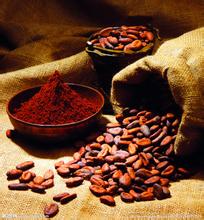
Ethiopian Coffee Culture the Development of Ethiopian Coffee
Ethiopian Coffee has a long History Ethiopian Coffee has a very important history and culture the highest grades of Ethiopian coffee Yega Xuefei G1 G2 Sidamo (Yirgacheffe, Sidamo) are grade 2 and 3 (G2, G3), while sun-processed coffee in eastern Ethiopia is mostly grade 4 or 5 (G4, G5). In many cases, level four coffee is marked as level five.